A Prepping Mindset: Seven Motivation Methods for Preppers
09/30/2026 / By Iva Greene
An article by Dan F. Sullivan published on SurvivalSullivan.com, a preparedness website, lists seven methods intended to help preppers remain motivated.
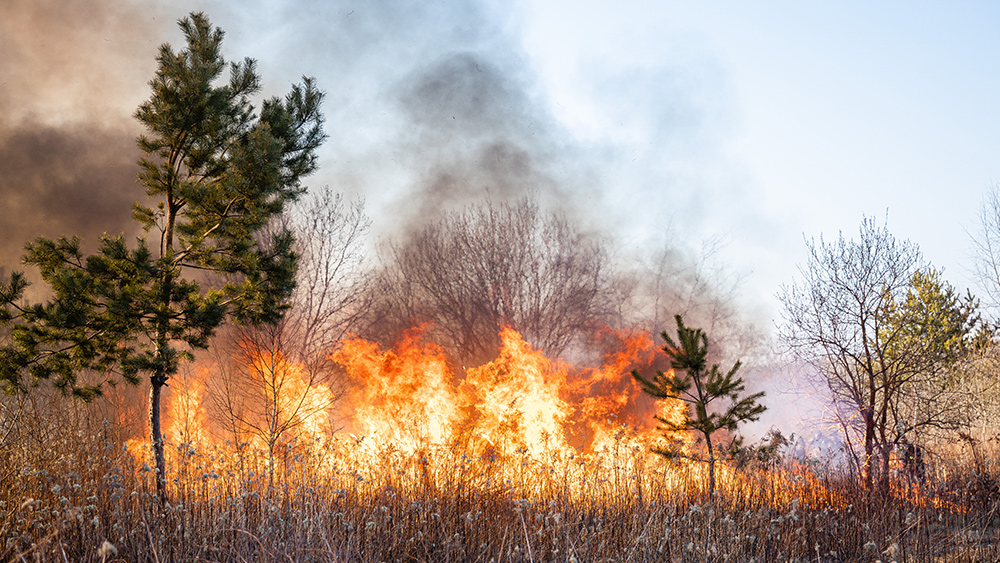
Sullivan states that prepping is a journey and that its difficulty does not depend on your political orientation or budget. He lists potential emergencies including car crashes, riots, assault, tornadoes, hurricanes, floods, and job loss, and describes the overall list of disasters as long and intimidating.
According to the article, that volume of threats can discourage people from starting to prepare or from continuing the practice. Sullivan also warned that a lack of motivation may indicate that a person is not as prepared as they should be.
The article also states that survival includes many separate aspects, including bugging in and out, getting home, fitness, homesteading, stockpiling, raising animals, bug-out vehicles and home security, and that the scope of those categories can itself produce a lack of action. Separate reporting on preparedness has documented that motivation can fade for other reasons as well, including financial strain, information overload and long periods without emergencies [1].
Media Exposure and Conversation Cited as Initial Motivators
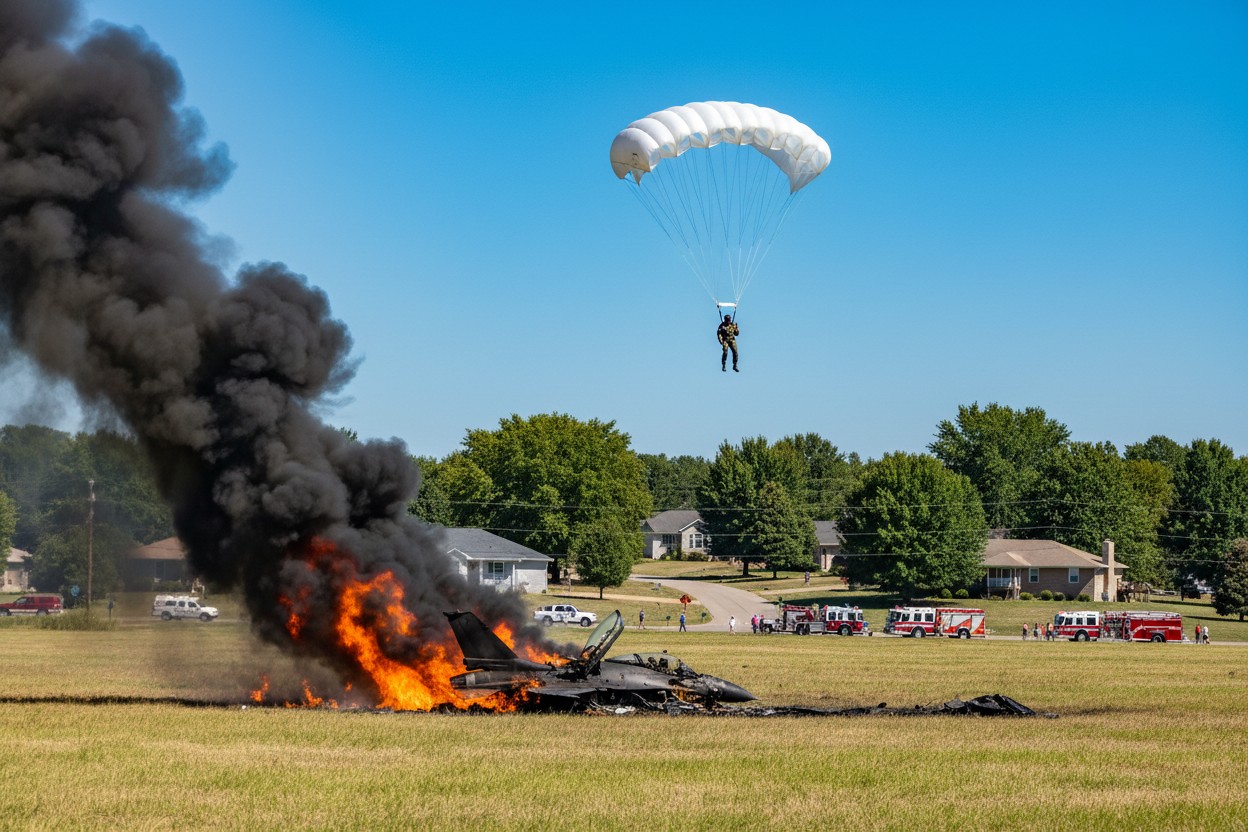
The first method involves watching YouTube videos of disasters. Sullivan wrote that the purpose is not to frighten the viewer but to learn from the events, and that although the experience is not the same as military close combat, it allows a person to place themselves in the middle of the action and consider how they would escape.
The second method is watching survival movies and television shows. While such productions are fake and often exaggerated, viewers can still learn from them. Sullivan wrote that his preferred element is that they always end well, and he stated, “Optimism is one thing you’ll have to keep when things will be at their worst.”
The article names films including “Doomsday,” “2012,” “The Day After Tomorrow,” and “Alone in the Wilderness.” It also lists documentaries including “Surviving the Dust Bowl” and “The Revenant,” and the television series Revolution [5].
The third method is engaging in conversation. Sullivan wrote that many people who are active on blogs are passive and do not engage in dialogue, and that doing so enables the brain to think of solutions not only for oneself but also for others. He described the change as a switch from passive learning to active learning.
Advocacy and Incremental Action Recommended
The fourth method is speaking out. Sullivan wrote that political correctness has divided the world and that readers should not remain passive while others define how things are supposed to be [5].
According to the article, speaking up is difficult at first, and people may be put in their place or lose debates, but the situation improves over time. Sullivan wrote that readers should not fear being put down when it comes to politics or survival, describing that experience as the only way to grow, consolidate one’s beliefs and then convince others.
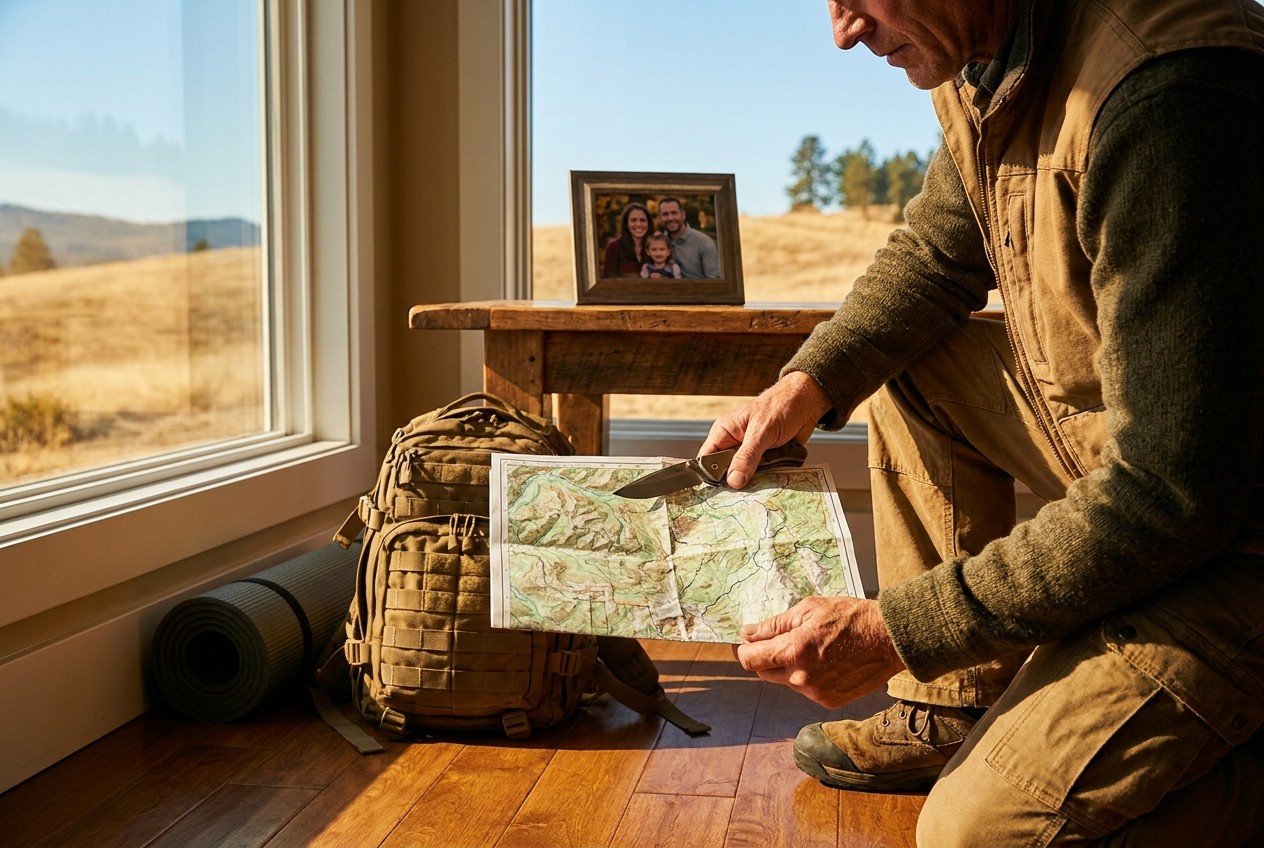
The fifth method is starting to do something. Sullivan wrote that readers who have consumed survival content for a long time without acting are unlikely to become fully prepared, and that their odds diminish as days go by. Recommended actions include activities that do not require spending money, such as printing a Google map of one’s neighborhood and marking all bug-out routes, jogging or doing push-ups to improve strength, and buying a low-cost survival knife.
Actual practice is the point: the New Year Prepping Challenge published by NaturalNews.com recommends stress-testing a pantry and mindset by eating for a week from stored staples alone [2].
The sixth method is starting with the survival aspect a person enjoys most. According to the article, beginning with an enjoyable activity causes the mind to associate preparedness with positive feelings, and competence in that area makes other aspects easier to tackle [5].
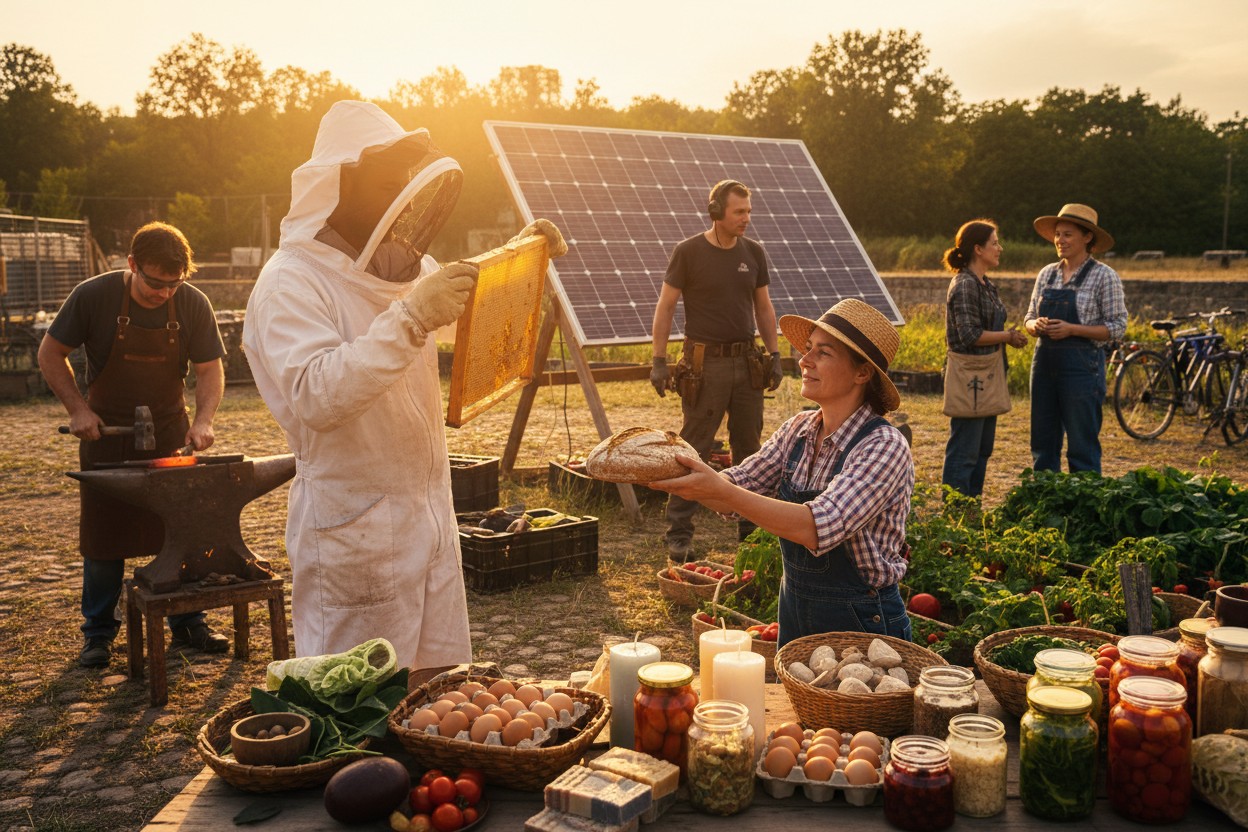
Sullivan offered the example of a person who enjoys the gym switching to tactical workouts, after which transition to an activity such as bugging out becomes easier than if it had been attempted first. Physical capacity is treated as a foundation of preparedness rather than an optional add-on, a point made in separate preparedness reporting [3].
Family Consequences Described as Central Motivation
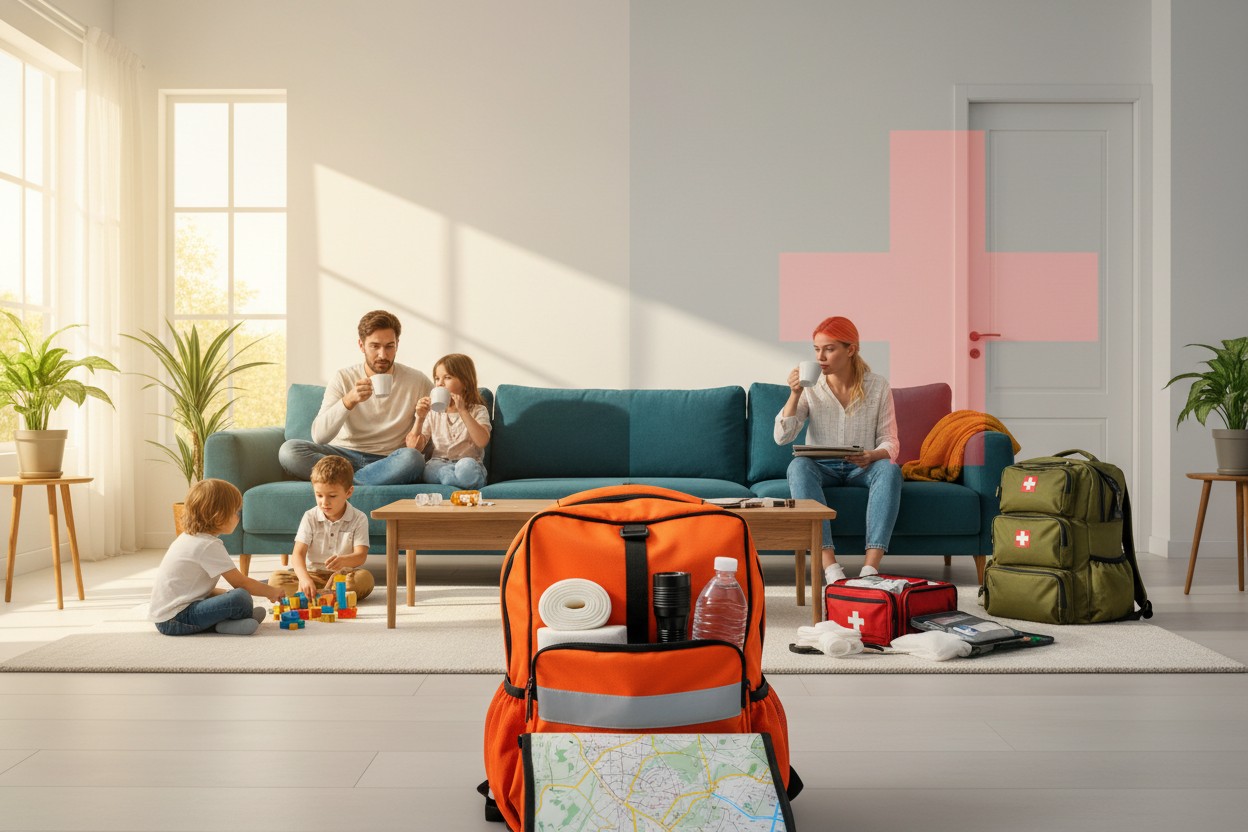
The seventh method is thinking about what will happen to oneself and one’s family. Sullivan described it as the most important motivator of all, citing the lives of a spouse and children. He wrote that survival means a person is likely to get injured or even killed, and that this is enough for him to take the subject seriously.
Sullivan wrote that he hoped not to frighten readers and stated that surviving is not as cool as some survival reality television shows would have them believe [5]. Motivation is an ongoing requirement rather than a one-time decision.
References
- “How to stay motivated when prepper burnout strikes during stressful times”. NaturalNews.com. April 05, 2025.
- “Test your prepper skills with the New Year Prepping Challenge”. NaturalNews.com. January 19, 2026.
- “Prepper fitness: Why is physical health important for survival”. NaturalNews.com. May 24, 2023.
- Mike Adams. “Mike Adams interview with Pete Chambers”. August 16, 2024.
- “7 Powerful Ways to Stay Motivated as a Prepper”. SurvivalSullivan.com. September 19, 2026.
Submit a correction >>
Tagged Under:
Collapse, disaster, emergency preparedness, homesteading, how-to, Motivation, off grid, preparedness, prepper, prepping, prepping tips, SHTF, survival, Survival Tips
This article may contain statements that reflect the opinion of the author
RECENT NEWS & ARTICLES