Supply chain shortages: What preppers should stock up on before prices climb
08/10/2026 / By Cassie B.
- Tariffs and Chinese manufacturing dependencies threaten shortages in lithium batteries, meds, and filtration systems.
- Domestic alternatives for batteries and meds are limited, urging stockpiling before 30-60 day price hikes.
- Water filters and camping gear face mixed domestic availability, while pharmaceuticals rely on fragile global supply chains.
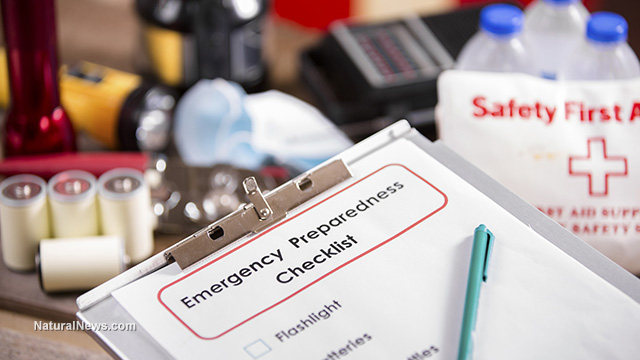
- Experts advise prioritizing backup power, fuel storage, and 60-90-day stockpiles to mitigate disruption risks.
- Companies like CMA CGM report increased pre-tariff stockpiling amid global supply chain instability.
A tariff announcement isn’t the only thing that can empty a shelf. A port slowdown, an overseas factory outage, or a single-source supplier having a bad quarter can do the same thing — and with the Trump administration’s Section 301 investigation into Chinese manufacturing expected to raise import costs by 15 to 30% once new tariffs take effect, preparedness experts say the window to stock up at current prices is narrowing.
Batteries, meds and filtration carry the most exposure
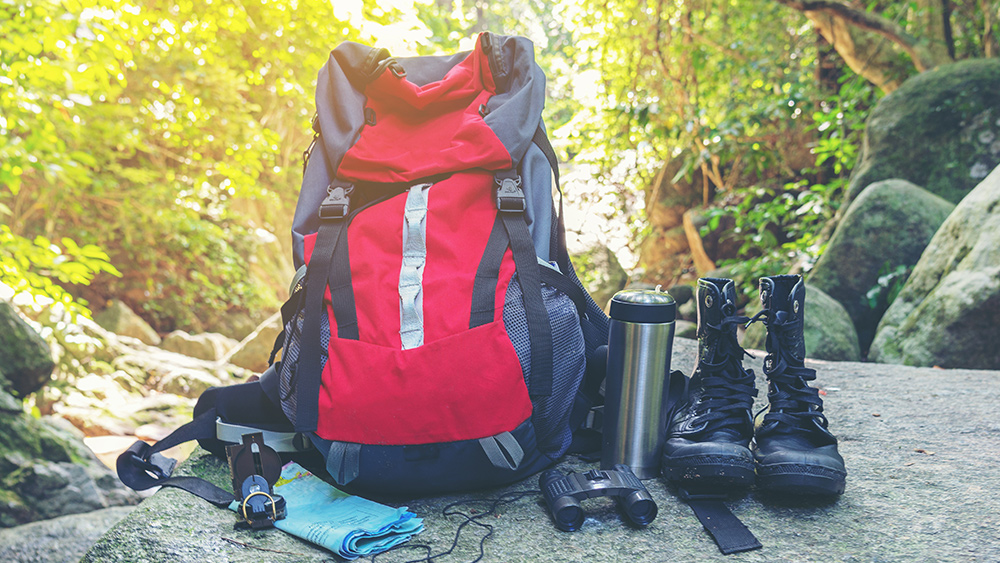
Lithium-ion batteries and rechargeable power packs are among the most import-dependent goods on the shelf, with lithium cells manufactured largely in China and Taiwan. Portable power station prices have already climbed 8 to 15% at major retailers, according to Survival Life, with further hikes expected once new tariffs land. Water filtration systems often rely on imported membranes or cartridges even when the housing is assembled domestically, and generic prescription drugs and common over-the-counter medications depend on a small number of overseas manufacturers for their active ingredients — a vulnerability that has caused real shortages with no tariff involved at all. Tools, fasteners, clothing, footwear and camping gear round out the list of categories most likely to see prices jump or supply thin out.
Where U.S.-made alternatives actually hold up
Domestic sourcing isn’t equally realistic everywhere. Several American manufacturers still produce hand tools and fasteners, although they usually do it at a premium. Water filtration is mixed; some brands source domestically, but plenty of “assembled in USA” products still depend on imported filter media. Camping gear and clothing are the hardest categories to source domestically at any scale. Batteries and medications are where domestic alternatives are weakest, which is why preparedness experts recommend building a stockpile rather than trying to buy around the problem.
A tariff deadline is forcing the timeline
The Prepper Journal recommends storing enough of your highest-priority items to get through a 60- to 90-day disruption. Survival Life points to a specific catalyst: retailers have a window of 30 to 60 days in which to adjust prices before new shipments start to carry higher tariff costs, and gear built around lithium batteries, steel components or propane fittings faces the steepest exposure. For most households, the recommended order is backup power first, given both its versatility and its tariff exposure, followed by fuel storage, then propane equipment. Anyone storing gasoline should add a stabilizer at fill-up — left untreated, fuel can start to varnish carburetors and fuel injectors within about 90 days.
Buy with a plan, not out of panic
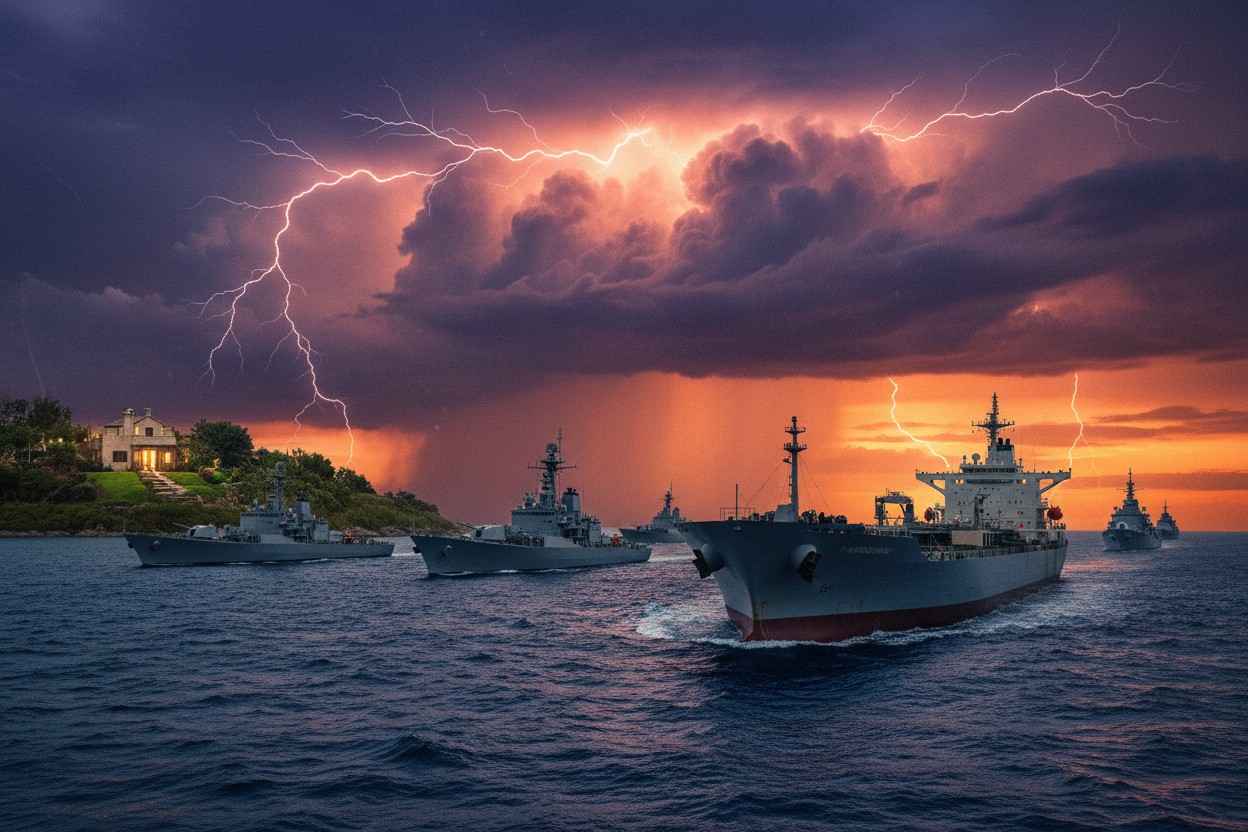
Preemptive stockpiling isn’t just a prepper trend. Shipping giant CMA CGM reported second-quarter revenue of $15.7 billion, up 19% year over year, which finance director Ramon Fernandez tied partly to companies stocking up ahead of tariff deadlines and amid ongoing Middle East instability. He cautioned that the buying spree would eventually taper off if inflation started to weigh on demand.
For households, the fix isn’t panic buying; it’s auditing what you already have, prioritizing what’s both critical and slow to replace, and building stock gradually. That’s especially true for medications, where the deepest vulnerability isn’t a tariff at all… it’s a pharmaceutical industry that has spent decades offshoring active-ingredient production to chase lower costs, leaving American patients dependent on a fragile overseas supply chain for the drugs they need most. Stocking a reasonable buffer of the medications your family actually uses isn’t just smart prepping; it’s a hedge against an industry that has repeatedly put its margins ahead of reliable access to care.
Sources for this article include:
Submit a correction >>
Tagged Under:
bug out, chaos, Collapse, disaster, Gear, homesteading, off grid, panic, preparedness, prepper, prepping, SHTF, stockpiling, supply chain, survival, survival gear, survivalist, tariffs, tips
This article may contain statements that reflect the opinion of the author
RECENT NEWS & ARTICLES